buy auto extended warranty online with clarity and control
Here's a practical way to compare coverage, costs, and claim rules at your own pace, keeping control and steady awareness of trade-offs.
What it usually covers
An extended warranty (vehicle service contract) pays for specific repairs after the factory warranty ends. Exact inclusions can vary slightly by provider and plan.
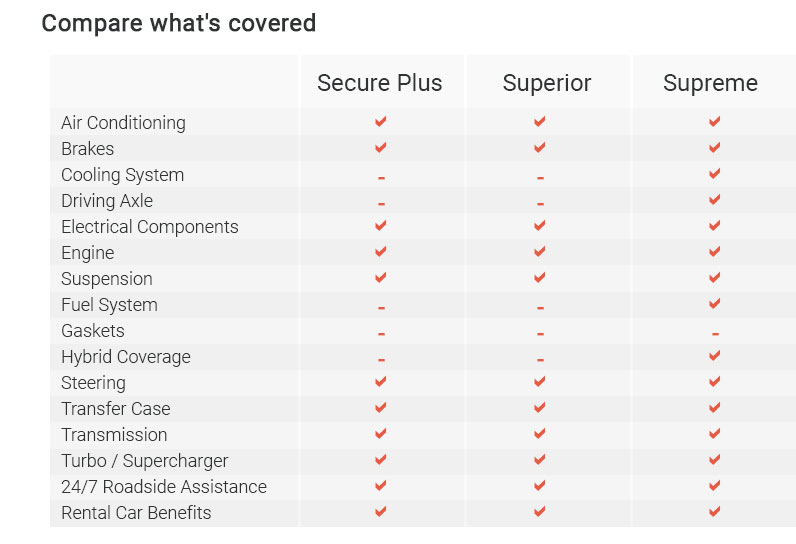
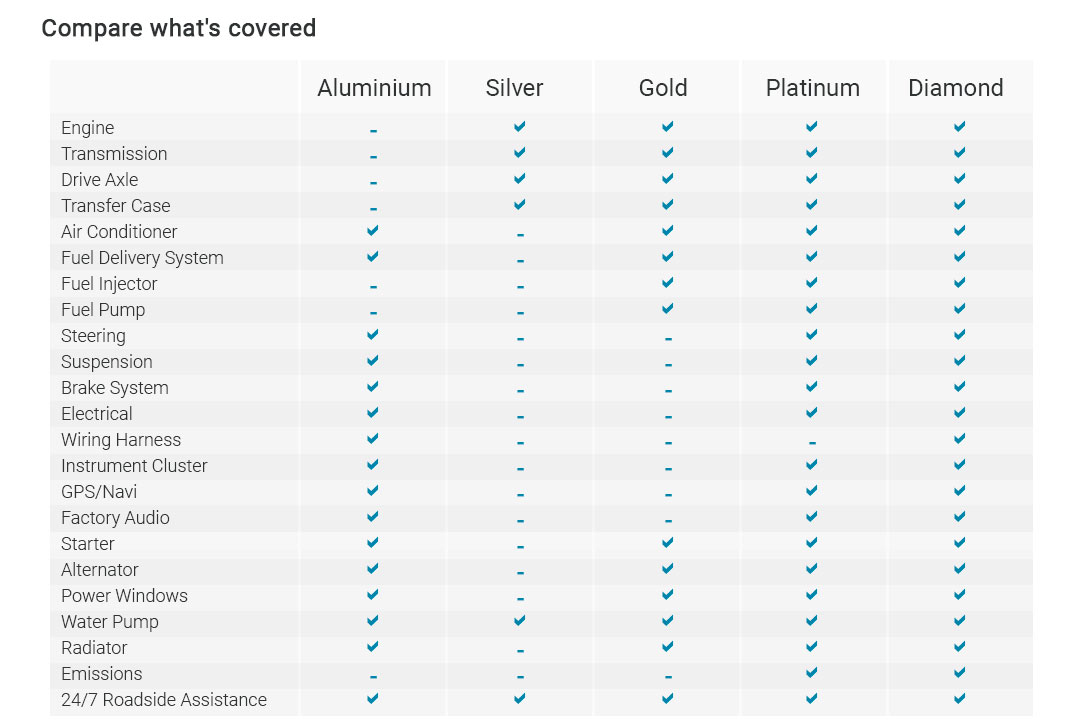
Powertrain components like the engine, transmission, and drive axle; higher tiers may include seals and gaskets.
Electronics: infotainment, sensors, control modules, and wiring on broader exclusionary plans.
Comfort features such as A/C, heating, and window motors.
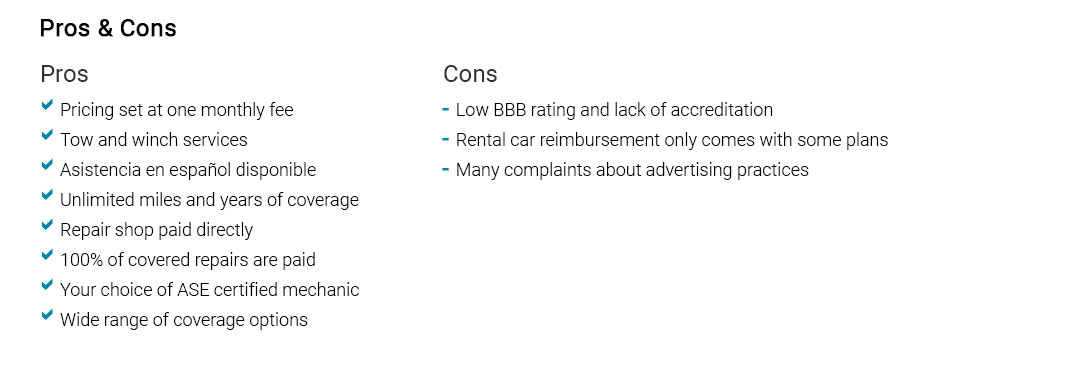
Roadside help: towing, rental car, and trip interruption.
Common exclusions: wear items (brakes, tires), cosmetic damage, and scheduled maintenance.
A simple workflow to evaluate and buy
Gather basics: VIN, mileage, service history, and how long you plan to keep the car.
Request quotes from two or three providers; ask for the sample contract and coverage list.
Normalize comparisons: term (years/miles), coverage style (named component vs exclusionary), and deductible.
Read the claim process: who pays the shop, preauthorization steps, and diagnostics coverage.
Check repair network: any trusted shop or specific networks, and parts policy (OEM/aftermarket).
Confirm waiting periods, surcharges (high mileage, modifications, turbo), and transferability.
Review cancellation and refund terms (often 30 days; prorated afterward).
Pay only when terms are clear; save the PDF and welcome email in two places.
This sequence reduces surprises and keeps you in charge of timing.
Costs at a glance
For common vehicles, comprehensive plans often land around $1,200 - $3,500 for multi-year terms; monthly options exist but can cost more overall. Prices do shift with market conditions.
Payment structure: upfront discount vs monthly fees.
One quiet real-world moment
During a lunch break in a grocery parking lot, a driver compares two quotes on a phone, double-checks the odometer at 59,980, and completes purchase with a $100 deductible plan; the contract email arrives before the drive home.
Terms that matter more than ads
Coverage style: exclusionary (everything covered except listed exclusions) vs named component (only listed parts covered).
Wear-and-tear language: some require a measurable failure; others include gradual deterioration.
Pre-existing conditions: issues present before purchase generally aren't covered.
Maintenance rules: oil change intervals, fluid specs, and record-keeping expectations.
Claims flow: preauthorization, labor hour guides used, and parts type (OEM/aftermarket/reman).
Cancellation, transfer, and refund timing.
Red flags
No sample contract or vague coverage definitions.
Pressure tactics, countdown timers, or excessive "last chance" pricing.
Robocall-style marketing or reluctance to name the administrator/underwriter.
"Free" diagnostics that become out-of-pocket if a claim is denied.
Hidden fees at checkout or mandatory add-ons you cannot remove.
Trust signals
Administrator and underwriter clearly named, with financial strength references (for example, A.M. Best where applicable).
Transparent contract language with plain exclusions and step-by-step claim instructions.
Pay-the-shop-direct capability and broad national repair acceptance.
Reasonable 30 - 60 day cancellation window and fair prorated refunds thereafter.
Responsive customer support and clear repair authorization hours.
Make it work after purchase
Save the contract, ID card, and claim number in both cloud and offline storage.
Set reminders for maintenance intervals and keep all receipts.
Ask your preferred shop how they handle warranty billing.
At first symptom, contact claims before teardown to avoid denials.
Review benefits after 30 days; adjust deductible or add-ons if permitted.
Alternatives worth a look
If your risk tolerance or vehicle profile points elsewhere, consider options without rushing.
Self-insure by depositing a set amount monthly into a repair fund.
Manufacturer-backed plans through a dealer, sometimes rolled into financing.
Limited protections from roadside memberships or credit cards (narrow scope).
Powertrain-only coverage as a budget compromise.
With a calm checklist and a few careful questions, you can buy online deliberately. A methodical hour is usually enough to choose with confidence, even if a couple of details remain uncertain until you speak with support. That's fine - the point is documented terms and predictable next steps.
https://gwcwarranty.com/
As the automotive industry's best-in-class provider of F&I solutions for used vehicles, GWC Warranty has helped deliver a No Worries, ...